C. S. Fritz
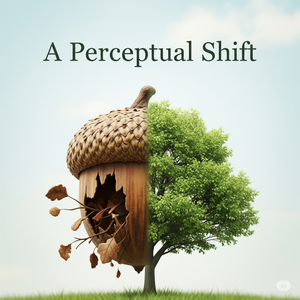
An A Perceptual Shift Book Review
Some books entertain you. Others leave you thinking about what it means to be alive. This one managed to do both.
I recently finished C. S. Fritz's A Fig for All the Devils, and I can say without hesitation that it was one of the best books I've read in a very long time.
I'm not entirely sure what I expected when I picked it up. The description was intriguing, but I wasn't prepared for just how remarkable the experience would be.
The writing, pacing, structure, and character development come together in a way that makes the book incredibly difficult to put down. Considering its relatively short length, that's no small accomplishment.
The writing makes you feel the story rather than simply read it.
Fritz has a remarkable ability to describe people, places, and circumstances in ways that feel visceral and immediate. The situations are vivid, the emotions recognizable, and the suffering almost tangible.
At times, the book is genuinely disturbing. But the darkness never feels gratuitous. There is something profoundly human beneath it.
Despite the number of characters and the relatively limited time we spend with each, I found myself deeply invested in their stories. You come to understand who these people are, what they've experienced, and how those experiences have shaped them.
Their suffering matters. Their decisions matter. And the consequences extend well beyond themselves.
This is a story about death. But in many ways, it's really a story about life.
Death is central to the narrative, quite literally. But underneath that premise is an exploration of the human condition, our capacity for suffering, and the ways our experiences influence how we understand ourselves and others.
And then there's forgiveness.
I think forgiveness may be one of the most important themes in the book. Not necessarily forgiveness as an act of excusing wrongdoing, but as the possibility of acknowledging what has happened without allowing it to dictate everything that comes afterward.
Suffering rarely happens in isolation. It changes relationships, influences decisions, and sometimes perpetuates itself through the people closest to us.
But it can also change something else.
Profound suffering can fundamentally alter our appreciation for being alive.
This was perhaps my most significant takeaway.
I believe certain experiences change a person's understanding of life in ways that are difficult to explain to someone who hasn't lived through something similar.
When you've been brought to the brink, ordinary circumstances can take on extraordinary meaning.
Things that once seemed insignificant become valuable. Things that once felt unbearable become manageable. And moments that others might overlook become reasons for genuine gratitude.
There's an interesting paradox in that.
Someone who has experienced profound suffering may develop an appreciation for ordinary life that someone who has never confronted such adversity might struggle to understand.
Not because one person is inherently wiser, but because their experiences have given them a different frame of reference.
Of course, suffering doesn't guarantee gratitude. It can just as easily produce bitterness, resentment, or despair. Nor should we have to suffer to appreciate our lives.
But surviving certain experiences can reveal something about being alive that might otherwise remain difficult to recognize.
And I think Fritz captures that possibility beautifully.
What makes this book exceptional is that it finds beauty without diminishing the darkness.
There are moments in this novel that are unsettling and uncomfortable, yet I never felt compelled to look away.
The pacing is excellent, the characters feel remarkably real, and there is very little wasted movement. Even when you're uncertain where the story is going, you remain invested in finding out.
I didn't want to put it down.
But perhaps more importantly, when I finished, I didn't immediately want to move on from it.
I wanted to think about it.
About the characters, their suffering, forgiveness, and how differently we might experience our lives if we were more conscious of just how fragile and extraordinary they really are.
I loved A Fig for All the Devils. It's rare that I finish a book feeling so thoroughly satisfied by both the experience of reading it and the ideas it leaves behind.
I'd recommend it without hesitation to anyone who appreciates dark fiction with genuine emotional depth.
It's disturbing, it's beautifully written, and in ways I hadn't anticipated, it's profoundly moving.
There's considerably more here than meets the eye.